
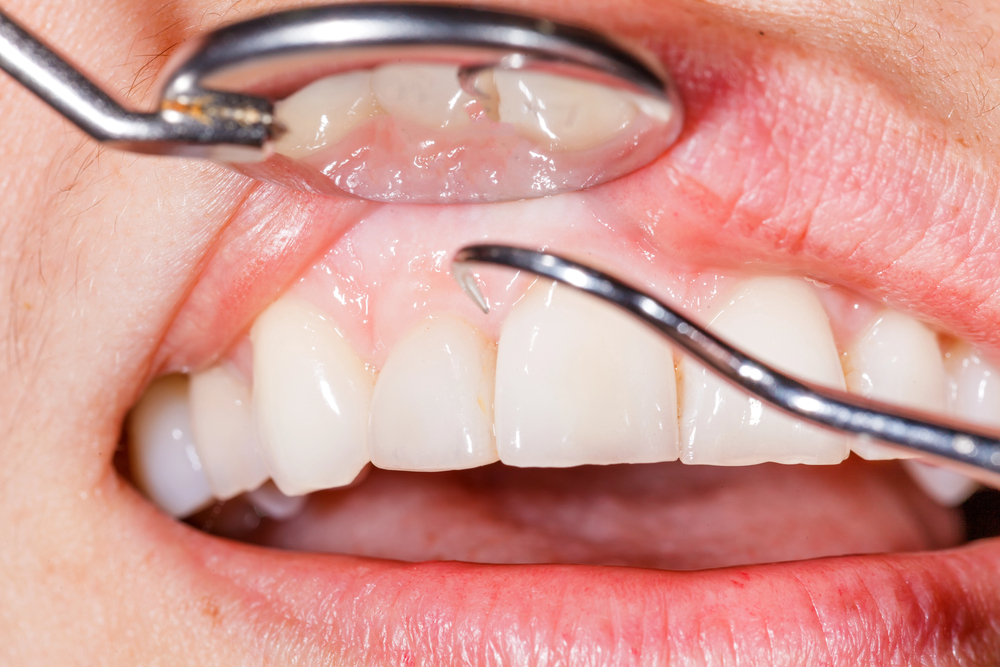
For generations, dentistry has been framed as a discipline of repair—fill the cavity, extract the tooth, replace what is lost. Yet beneath this mechanical narrative lies a quieter, more powerful truth: gum health is not merely a dental concern but a cornerstone of preventive medicine. When viewed through this wider lens, periodontal and gum treatment becomes less about managing disease and more about protecting the whole human system.
Gums are living tissue, biologically active and deeply connected to the body’s immune and vascular networks. Unlike enamel, which is inert, the gums respond dynamically to inflammation, infection, and systemic stress. This makes them an early warning system—one that often signals broader health challenges before they manifest elsewhere. Ignoring gum disease, therefore, is not just neglecting oral hygiene; it is overlooking a vital indicator of overall wellbeing.
The Silent Burden of Gum Disease
Periodontal disease is among the most common chronic inflammatory conditions worldwide, yet it progresses quietly. Early-stage gingivitis may cause mild bleeding or tenderness, symptoms many people dismiss as trivial. Left untreated, this inflammation migrates deeper, eroding the bone and connective tissue that anchor teeth. By the time pain appears, the disease has often advanced significantly.
What makes this progression especially concerning is its systemic impact. Chronic gum inflammation introduces bacteria and inflammatory mediators into the bloodstream, increasing the body’s overall inflammatory burden. Scientific literature has consistently linked advanced periodontal disease with conditions such as cardiovascular disease, diabetes complications, adverse pregnancy outcomes, and even cognitive decline. While gum disease may not directly cause these conditions, it can amplify existing vulnerabilities, accelerating their progression.
In this context, periodontal and gum treatment functions as preventive medicine. By controlling chronic oral inflammation, clinicians are not simply saving teeth—they are reducing a persistent inflammatory load that affects the entire body.
Prevention Begins Before Pain
One of the most transformative shifts in modern dentistry is the movement from reactive treatment to proactive care. Preventive gum therapy exemplifies this change. Scaling, root planing, and ongoing periodontal maintenance are not emergency measures; they are strategic interventions designed to stabilise the oral environment before irreversible damage occurs.
This approach reframes dental visits from episodic repairs to long-term health planning. Gum treatment becomes a form of risk management—similar to monitoring blood pressure or cholesterol levels. When inflammation is identified early and managed effectively, patients are less likely to require invasive procedures later, both dentally and medically.
Importantly, this preventive mindset benefits patients across the lifespan. Comprehensive oral care for all ages recognises that gum health evolves with time. Children need guidance to establish healthy habits and prevent early gingival inflammation. Adults face lifestyle-related risks such as stress, smoking, and metabolic disorders. Older adults often contend with reduced immunity, medications that affect saliva flow, and systemic conditions that heighten periodontal risk. Preventive gum care adapts to each stage, ensuring continuity rather than crisis-driven intervention.
The Mouth–Body Conversation
The mouth does not exist in isolation; it is a biological gateway. Every swallow, every breath, every immune response in the oral cavity interacts with the rest of the body. Healthy gums act as a controlled border—permitting beneficial bacteria to thrive while keeping harmful pathogens in check. Diseased gums, by contrast, become porous and inflamed, allowing bacteria and toxins to enter systemic circulation.
This understanding has elevated periodontal care into interdisciplinary relevance. Physicians increasingly recognise that managing diabetes, heart disease, or autoimmune conditions requires attention to oral inflammation. Likewise, dentists now appreciate that effective periodontal and gum treatment must consider nutrition, stress, hormonal changes, and systemic health.
Preventive medicine thrives on such collaboration. It asks not “Where is the pain?” but “Where is the imbalance?” Gum health offers a tangible, measurable answer to that question.
Empowerment Through Education
True prevention is not delivered solely through clinical procedures; it is cultivated through patient understanding. When individuals grasp that bleeding gums are not normal, that chronic bad breath may signal infection, and that oral inflammation affects the heart and brain, motivation shifts. Oral care transforms from a cosmetic routine into a daily health practice.
Comprehensive oral care for all ages therefore hinges on education tailored to life stages and individual risk profiles. It involves teaching children why gums matter, helping adults understand the oral-systemic link, and supporting older patients in adapting care routines to changing health needs. This shared responsibility—between clinician and patient—creates lasting outcomes that no single treatment session can achieve.
Redefining Value in Dentistry
In a healthcare landscape increasingly focused on prevention and longevity, gum treatment deserves recognition as a high-value intervention. It is cost-effective, minimally invasive when performed early, and profoundly impactful beyond the mouth. Investing in periodontal health reduces future treatment complexity, improves quality of life, and supports systemic stability.
Ultimately, the story of gum treatment is not about teeth falling out; it is about resilience. Healthy gums protect the foundations of the smile, yes—but they also safeguard the delicate balance between inflammation and immunity that underpins human health.
When dentistry embraces periodontal and gum treatment as preventive medicine, it steps fully into its role as a guardian of whole-body wellbeing. And in doing so, it reminds us that the path to lasting health may begin not in the heart or the brain, but quietly, at the gumline.